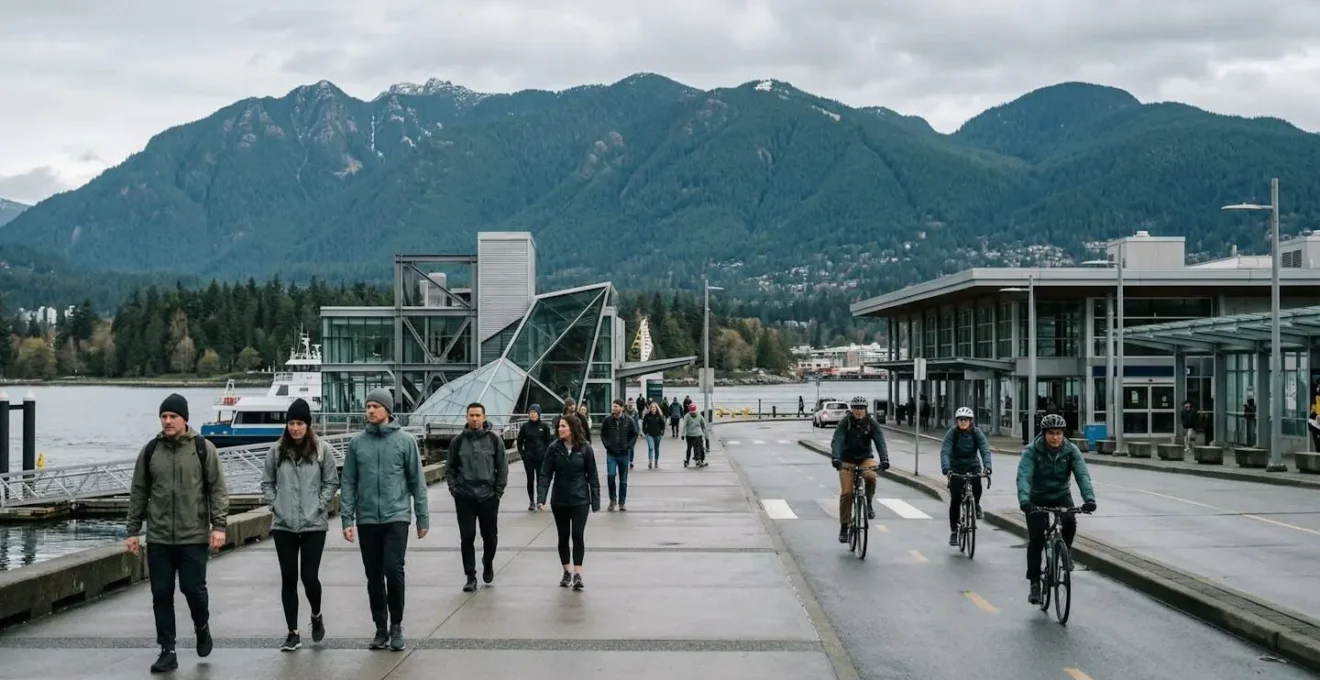
The most successful brands from Vancouver aren’t just selling products; they’re exporting a piece of the city’s unique cultural DNA.
- Technical innovation in apparel is often a direct response to the local climate, creating world-class, rain-ready gear.
- A deep-seated commitment to ethical, small-batch, and sustainable production defines many of the city’s emerging creators.
- Iconic global brands like Lululemon and Fluevog have deep, tangible roots in the city’s specific neighborhood cultures.
Recommendation: To truly invest in homegrown talent, go beyond the label and visit the flagship stores and workshops where these powerful brand stories began.
For any visitor to Vancouver, it’s easy to notice the local uniform: high-performance rain jackets, sleek athletic wear, and a general sense of pragmatic style. It’s tempting to see this as just a trend. But to a business analyst, it’s a clear signal. This city doesn’t just wear brands; it incubates them. Global names like Lululemon, Herschel, and Arc’teryx weren’t arbitrarily founded here; they are direct commercial responses to the city’s unique lifestyle and environment.
Most guides will give you a simple list of “brands from Vancouver.” They’ll tell you to “shop local” to support the economy, a well-meaning but superficial directive. They might point you toward Gastown or Kitsilano, but they fail to explain the underlying business case—the cultural DNA that makes these brands globally resonant. They treat the products as simple souvenirs rather than what they truly are: tangible exports of the Vancouver experience itself, from its relentless winter rain to its deep-seated wellness culture and its rebellious, artistic soul.
The real key to investing in homegrown talent is to understand the “why” behind their success. This guide moves beyond the listicle to offer a strategic analysis. We will deconstruct how Vancouver’s specific identity has become the core value proposition for its most iconic brands. We’ll examine the business archetypes they represent, from the Rain-Proof Innovator to the Counter-Culture Icon, providing you with the insight to not just buy a product, but to invest in a genuine piece of the city’s story. This is your guide to placemaking through commerce, turning a shopping trip into a strategic exploration of Vancouver itself.
This article analyzes the business models and cultural origins of Vancouver’s key brands. The following summary outlines the specific case studies we will explore, from globally recognized names to the artisans shaping the city’s future.
Summary: An Analyst’s Guide to Vancouver’s Brand DNA
- Why You Need a “Vancouver Special” Rain Jacket Instead of an Umbrella?
- Wolf Circus or Pyrrha: Which Local Jewelry Brand Fits Your Aesthetic?
- Fluevog Shoes: Why Are These Weird Shoes a Vancouver Icon?
- Beyond Souvenirs: Where to Buy High-Fashion Indigenous Clothing?
- The “First Pick” Handmade Market: Is It Worth the Entry Fee?
- The Weekender Bag: Is Roots Leather Still Made in Canada?
- West 4th Avenue: Which 5 Blocks Have the Best Athleisure Shops?
- Granville Island Market: How to Distinguish Local Artisans from Resellers?
Why You Need a “Vancouver Special” Rain Jacket Instead of an Umbrella?
In Vancouver, an umbrella is the mark of a tourist. The city’s persistent, wind-driven rain renders them impractical, a lesson locals learn quickly. This environmental pressure created a unique market opportunity, giving rise to the “Rain-Proof Innovator” business archetype. Brands born here don’t just make waterproof clothing; they engineer survival gear for a perpetually damp urban environment. This is the core cultural DNA behind the global success of North Vancouver’s own Arc’teryx, a brand synonymous with extreme-weather performance.
Unlike fashion-first brands, Arc’teryx’s value proposition is rooted in obsessive technical specification. Their products are a direct answer to the question: “How do you stay perfectly dry and comfortable while remaining active in constant rain?” The answer lies in materials and construction that far exceed typical consumer-grade standards. For example, the iconic Beta series jackets are built with a formidable 3-layer GORE-TEX construction, a level of lamination typically reserved for serious mountaineering. This commitment to function over form is what makes it a “Vancouver Special.”
For a visitor, purchasing a high-performance shell from a brand like Arc’teryx or the 100% waterproof, city-focused Vessi footwear isn’t just buying a jacket or shoe. It’s an investment in a design philosophy forged by the local climate. It’s acquiring a piece of highly-engineered equipment that solves a real, daily problem for Vancouverites. This focus on utility is the first key to understanding the city’s brand ecosystem: here, true luxury is performance.
Wolf Circus or Pyrrha: Which Local Jewelry Brand Fits Your Aesthetic?
Beyond the technical demands of the climate, Vancouver’s brand identity is also shaped by a powerful commitment to conscious, ethical production. This gives rise to the “Conscious Crafter” archetype: brands that scale not by cutting corners, but by doubling down on craftsmanship, sustainability, and a transparent story. Two leading jewelry brands, Wolf Circus and Pyrrha, exemplify this ethos, though they appeal to different aesthetics. Wolf Circus offers attainable luxury with a modern, bold, and sculptural feel, while Pyrrha’s focus is on symbolic, antique-inspired talismans that feel timeless and personal.
Pyrrha, in particular, offers a compelling business case in sustainable luxury. Their entire operation is a testament to Vancouver’s deeply ingrained environmental values, making them a prime example of a brand whose process is as important as its product.
The brand’s commitment to its principles is not just a marketing claim; it’s a verifiable operational model. By choosing to invest in a piece from a brand like Pyrrha, a visitor is supporting a system that champions fair wages, recycled materials, and local artistry, which is the essence of investing in homegrown talent.
Case Study: Pyrrha’s Vertically Integrated Ethical Model
Pyrrha provides a masterclass in responsible manufacturing. The company famously operates from a certified zero-carbon studio in Vancouver, where every piece is handcrafted in-house. They utilize 100% recycled precious metals and traditional lost-wax casting with authentic antique seals. As a certified B Corporation, Pyrrha controls its entire supply chain under one roof—from design to final polish—while paying its artisans a certified living wage for British Columbia. This stands in stark contrast to the outsourced, opaque manufacturing common in the jewelry industry.
Fluevog Shoes: Why Are These Weird Shoes a Vancouver Icon?
Not every Vancouver brand is about blending in with the natural environment. Some are about standing out. John Fluevog Shoes represents the “Counter-Culture Icon” archetype, a brand born from the city’s rebellious, artistic, and individualistic spirit. Founded in Gastown in 1970, Fluevog didn’t chase trends; it created its own universe of “weird shoes” that became a badge of honor for artists, musicians, and anyone who defined themselves against the mainstream. Their designs are architectural, colorful, and unapologetically bold—a stark contrast to the city’s otherwise muted, nature-inspired palette.
The brand’s iconic status comes from its deep, unwavering connection to its counter-cultural roots. While it has since expanded to 27 stores across North America and Europe, the flagship store in Gastown remains a pilgrimage site. It’s not just a shoe store; it’s a gallery celebrating decades of artistic independence. Owning a pair of Fluevogs is less about footwear and more about owning a piece of Vancouver’s creative history. This longevity and cult following give the products a unique economic characteristic, as noted by cultural analysts.
As Elena Siemens, writing for The BC Review, points out, the brand’s value transcends typical fashion cycles:
Fluevogs have strong aftermarket value, selling on resale markets as wearable, collectible pieces of Vancouver art.
– Elena Siemens, The BC Review
This insight is crucial for a visitor looking to make a meaningful purchase. An investment in Fluevogs is an investment in wearable, functional art with a proven history and a dedicated community. It’s a prime example of how a brand’s cultural DNA—in this case, defiant originality—can create lasting tangible value.
Beyond Souvenirs: Where to Buy High-Fashion Indigenous Clothing?
A crucial part of supporting homegrown talent in Vancouver is engaging with and investing in the region’s First Nations artists and designers. However, this requires moving beyond the generic souvenir shops that often sell mass-produced items with “Indigenous-style” art. The key is to seek out authentic, high-fashion Indigenous clothing and art, a sector that is experiencing a powerful renaissance. This is about ethical investment, ensuring that the profits and recognition go directly to the artists and their communities.
The city has a growing infrastructure dedicated to promoting authentic Indigenous work, from galleries that operate as social enterprises to major events that platform designers. Vancouver is home to the Musqueam, Squamish, and Tsleil-Waututh Nations, and their artistic traditions are being reinterpreted by a new generation of designers who are blending traditional forms with contemporary fashion. For a visitor, the goal is to find the right channels to access this work ethically.
Case Study: Vancouver Indigenous Fashion Week (VIFW)
To understand the scale and professionalism of the local Indigenous fashion scene, look no further than VIFW. Founded in 2017 by Joleen Mitton, VIFW has become a major industry platform that employs hundreds of Indigenous models, stylists, and production staff annually. Held at prestigious venues like the Queen Elizabeth Theatre, the event showcases designers from the three host nations and beyond, challenging stereotypes and promoting cultural authenticity. VIFW also includes a marketplace, allowing designers to connect directly with buyers and sell their work, fostering economic self-determination.
For direct purchasing, visitors should prioritize certified galleries and Indigenous-owned businesses. These venues guarantee authenticity and ensure that the revenue supports the artists’ livelihoods and cultural programs. Key destinations in Vancouver include:
- Bill Reid Gallery of Northwest Coast Art: Not just a museum, its gallery shop features high-quality contemporary and traditional works, with proceeds directly supporting Indigenous artists.
- Skwachàys Lodge and Gallery: A unique social enterprise, this boutique hotel features an in-house gallery with original paintings, prints, and jewelry from artists in residence.
- Decolonial Clothing: An Indigenous-owned and operated brand with a physical storefront in the city, offering modern apparel with a strong political and cultural message.
The “First Pick” Handmade Market: Is It Worth the Entry Fee?
For visitors wanting to discover emerging local talent all under one roof, curated handmade markets like First Pick are a compelling option. Unlike a traditional craft fair, these events operate on a specific business model: they charge an entry fee to filter for serious buyers and a jurying fee to vendors to ensure a high standard of quality. From a business analyst’s perspective, the question “Is it worth the entry fee?” is a simple cost-benefit calculation.
The “cost” is typically a nominal fee, usually $5-$10. The “benefit” is threefold: curation, efficiency, and access. The curation process, managed by industry professionals, saves you the effort of sifting through mediocre work. You are guaranteed to see a pre-vetted selection of some of the city’s best independent designers in clothing, jewelry, and accessories. This efficiency is a major value proposition for a visitor with limited time. Instead of spending a day traveling to different studios or boutiques, you can meet dozens of makers in one afternoon.
Finally, these markets provide direct access to the artisans themselves. You can discuss their process, understand their material choices, and hear their story firsthand—an experience you can’t get in a traditional retail environment. This aligns perfectly with the goal of investing in homegrown talent, as your purchase becomes a personal connection. So, is it worth it? If your goal is to efficiently discover high-quality, authentic, and vetted Vancouver-made goods, the entry fee is a small price to pay for the guaranteed quality and direct access it provides. It’s an investment in a highly-concentrated dose of the city’s maker culture.
The Weekender Bag: Is Roots Leather Still Made in Canada?
When considering iconic Canadian brands, Roots often comes to mind with its signature leather goods and cozy sweats. The brand is frequently associated with a rugged, national identity, and many visitors assume it’s a Vancouver staple. This is a critical point for an authenticity audit: Roots is, in fact, a Toronto-based brand, founded there in 1973. While it has a significant retail presence in Vancouver, its cultural DNA is rooted in Ontario’s Algonquin Park, not the Pacific coast.
More importantly for the discerning buyer is the question of manufacturing. The image of the Canadian-made leather bag is central to the Roots brand identity. For decades, the company proudly operated its own leather factory in Toronto. While this factory still exists and produces some of its most iconic bags, including the “Banff” bag, a significant portion of its product line is now manufactured overseas. The company’s public filings and product tags reveal a mixed-sourcing strategy, with goods coming from Asia, South America, and Italy in addition to Canada.
This is not a criticism, but a crucial clarification from a fact-based, analytical perspective. The brand has evolved from a small, local leather goods maker into a publicly traded global retailer. That evolution has naturally involved diversifying its supply chain. For the visitor whose primary goal is to invest in 100% Vancouver-born and made products, this distinction matters. While a Roots bag is a Canadian souvenir, it may not be the Canadian-made product many assume it to be, and it is certainly not a product of Vancouver’s specific brand ecosystem.
West 4th Avenue: Which 5 Blocks Have the Best Athleisure Shops?
If there is one global movement Vancouver can claim as its own, it’s athleisure. The city’s obsession with wellness, yoga, and an active outdoor lifestyle created the perfect incubator for Lululemon, the brand that defined the category. The epicenter of this movement can be traced to a specific stretch of pavement: West 4th Avenue in the Kitsilano neighborhood. This is a prime example of placemaking through commerce, where a brand’s identity is inextricably linked to a location.
The five-block stretch of West 4th between Burrard Street and Balsam Street is the holy grail for athleisure shoppers. This corridor is home to the flagship stores of not only Lululemon but also its competitors and spiritual successors. As a historical marker, Chip Wilson launched the brand from a design studio and opened the first standalone store on Kitsilano’s 4th Ave back in 2000. Walking this street is like walking through a living case study of the “Wellness Pioneer” business archetype.
Here you will find everything from the original Lululemon store to boutiques for other major athletic brands and local upstarts. The concentration of yoga studios, organic cafes, and running stores creates a complete ecosystem that reinforces the athleisure lifestyle. A visitor to this area isn’t just shopping; they are experiencing the cultural DNA of the global wellness movement at its source. A purchase here, particularly from the Lululemon flagship, is more than a transaction—it’s an investment in the very neighborhood that launched a worldwide phenomenon.
Key Takeaways
- Vancouver’s top brands are not just products but “lifestyle exports” that solve problems unique to the city’s culture and climate.
- Authentic local brands often prioritize verifiable ethical and sustainable manufacturing, with operations based directly in the city.
- The origin story and location of a flagship store are key indicators of a brand’s cultural DNA and its connection to Vancouver’s identity.
Granville Island Market: How to Distinguish Local Artisans from Resellers?
Granville Island presents a final, crucial test for the discerning visitor. It’s a vibrant hub of activity, celebrated for its public market and artisan studios. However, its popularity also attracts resellers—vendors who sell imported or mass-produced goods that merely look artisanal. For someone committed to investing in true homegrown talent, conducting an “Authenticity Audit” is essential. The key isn’t to be cynical, but to be curious and engaged. True artisans are passionate about their work and are almost always eager to share their story and process.
The most powerful tool at your disposal is conversation. Instead of passively browsing, engage with the vendors. A few simple, direct questions can quickly separate the makers from the merchants. A reseller will have vague, generic answers, while a true local artisan will provide rich, detailed, and enthusiastic responses. They will tell you about their studio (many are right on Granville Island in the Net Loft or other buildings), the materials they sourced, and the specific techniques they used. Their passion is their best credential.
This hands-on verification is the final step in moving from a passive consumer to a strategic investor in local talent. By applying this simple framework, you ensure your money supports the creative ecosystem that makes Vancouver unique. You leave not just with a beautiful object, but with the story and the personal connection behind it.
Your Authenticity Audit Checklist for Granville Island
- Ask Point-Blank: Start with a direct but friendly question: “Do you make this yourself, right here in Vancouver?” Watch for a proud, immediate “yes” versus hesitation.
- Inquire About Process: Follow up with: “Can you tell me about your process?” An authentic maker will light up, explaining techniques, materials, and their creative journey.
- Pinpoint the Location: Ask specifically: “Where is your studio?” A real local will name a neighborhood or point to a building on the island itself. Vagueness is a major red flag.
- Examine the Collection: Look for a cohesive style and evidence of hand-finishing. A stall with a random assortment of unrelated products often signals a reseller.
- Check for a Story: Ask about the inspiration behind a specific piece. Makers have stories; resellers have sales pitches.
Now that you’re equipped with this analytical framework, the final step is to apply it. Use this knowledge not as a rigid set of rules, but as a lens to see the city’s retail landscape with new eyes, turning every potential purchase into an opportunity for discovery.