Shopping & Souvenirs
Vancouver offers a shopping landscape unlike anywhere else in North America. The city sits at the intersection of Indigenous artistic traditions stretching back millennia, a thriving local fashion scene born from its outdoor culture, and culinary products that reflect both Pacific abundance and Canadian heritage. Whether you’re searching for a museum-quality First Nations carving or simply wondering why everyone around you seems to be wearing the same technical jacket, understanding what makes Vancouver shopping distinctive will transform a routine souvenir hunt into genuine discovery.
This isn’t about generic gift shops stocked with maple leaf keychains. The real treasures here require knowing which neighborhoods to explore, how to distinguish authentic craftsmanship from mass-produced imitations, and what local products actually survive the journey home. From gallery walks in South Granville to hidden artisan studios on Granville Island, from consignment stores carrying pre-loved designer pieces to distilleries you can only visit on certain days, Vancouver rewards the curious shopper who arrives with the right questions.
Indigenous Art: Authenticity, Styles, and Where to Buy
First Nations art represents Vancouver’s most significant cultural export, but the market contains pitfalls that catch unprepared buyers. The difference between a genuine Coast Salish piece and a factory reproduction from overseas isn’t always obvious at first glance, yet the gap in value—both monetary and cultural—is enormous.
Understanding Artistic Traditions
Coast Salish and Haida represent two distinct artistic vocabularies. Coast Salish design typically features flowing, organic forms with subtle transitions, often depicting local wildlife like salmon and eagles in softer geometric patterns. Haida art, originating from Haida Gwaii, employs bold formline design with characteristic ovoid shapes, U-forms, and the striking use of black and red. Recognizing these differences helps you appreciate what you’re purchasing and ensures the piece genuinely represents the tradition claimed on its tag.
Spotting Authentic Work
Legitimate Indigenous art includes documentation connecting the piece to its creator. Look for:
- The artist’s name and nation clearly stated
- A certificate of authenticity with the artist’s signature
- Gallery provenance from established Indigenous-owned or Indigenous-partnered dealers
- Price points that reflect genuine handwork (authentic silver jewelry rarely costs under $200 CAD)
The back of masks and carvings often reveals the truth—hand-carved pieces show tool marks and slight irregularities, while resin reproductions feel unnaturally smooth and lightweight.
Reputable Gallery Districts
Gastown and Granville Island concentrate the city’s most established Indigenous galleries. Gastown offers walkable density with multiple galleries within blocks, while Granville Island provides a more relaxed atmosphere where some artists work on-site. South Granville’s gallery row, stretching from approximately 5th to 16th Avenue, mixes Indigenous art with contemporary Canadian work at various price points—not all require millionaire budgets, despite the district’s upscale reputation.
Gallery Walks and Art Collecting for Visitors
Vancouver’s art scene extends well beyond Indigenous work to include contemporary Canadian artists at every career stage. The question of whether to invest in emerging talent or established names depends on your goals—decoration versus potential appreciation—and your comfort with risk.
Navigating High-End Galleries
Gallery etiquette intimidates many visitors unnecessarily. The unwritten rules are straightforward: don’t touch artwork unless invited, supervise children closely, and feel free to ask questions—gallery staff expect inquiries and most genuinely enjoy discussing the work. If you’re traveling with kids, calling ahead to confirm a gallery welcomes families can prevent awkward moments.
Prints Versus Originals
A budget around $1,000 CAD opens different possibilities. Limited edition prints—particularly giclées on archival paper—offer accessibility to significant artists’ work, while that same amount might secure an original from an emerging creator. Screen prints hold value differently than giclée reproductions, with hand-pulled editions often appreciating more reliably. The Thursday art walks in certain districts let you catch artists working in studios, offering direct purchasing opportunities that bypass gallery commissions.
Granville Island: The Artisan Economy
Granville Island’s Public Market draws crowds, but most visitors miss the creative ecosystem surrounding it. The Net Loft building directly opposite the market houses independent artisans whose work you genuinely cannot find elsewhere—ceramicists, leather workers, and jewelry makers operating studios where they both create and sell.
Artisans Versus Resellers
Not every stall represents local making. Distinguishing genuine artisans from resellers requires observation: look for work-in-progress visible in booths, ask about techniques, and notice whether the seller can discuss material sourcing. A handmade ceramic mug priced at $60 CAD reflects hours of skilled labor, studio overhead, and materials—the price tells you something meaningful about authenticity.
Custom Orders and Shipping
Many Granville Island artisans accept custom commissions, from monogrammed leather bags to pottery in specific glazes. For oversized purchases, professional packing services can prepare artwork for international shipping. Carrying BC pottery in cabin baggage requires serious bubble wrap investment, though it remains safer than checked luggage for fragile pieces.
Vancouver Fashion: Local Brands and Shopping Districts
The city has spawned global brands that reflect its particular lifestyle—technical outerwear that transitions from trail to restaurant, waterproof shoes designed for persistent rain, and jewelry lines with devoted international followings.
Homegrown Labels
Arc’teryx achieved cult status for technical shells now worn as much for fashion as function. Vessi created a category of waterproof knit sneakers. Herschel built a backpack empire from a Vancouver garage. Fluevog produces distinctive handcrafted shoes that became a genuine Vancouver icon. Wolf Circus and Pyrrha represent local jewelry design at different aesthetics—architectural minimalism versus symbolic wax-seal pieces.
Shopping Neighborhoods
Each district carries a distinct character:
- Alberni Street: Luxury flagships, sometimes called Vancouver’s mini Rodeo Drive
- West 4th Avenue: Athleisure and outdoor gear concentrated in specific blocks
- Gastown: Independent boutiques and heritage Canadian brands
- South Granville: Established fashion alongside art galleries
- Main Street: Vintage, thrift, and sustainable fashion
- Yaletown: Made-to-measure tailoring and contemporary design
Vintage, Thrift, and Sustainable Shopping
Vancouver’s secondhand market ranges from curated consignment carrying recent designer pieces to sprawling thrift stores requiring patience and sharp eyes. The slow fashion movement has elevated certain boutiques that stock only ethically made clothing, though this commitment typically means higher prices.
A Main Street thrift crawl can cover five significant vintage stores within two hours on foot. Distinguishing genuine vintage from fast fashion disguised as old requires checking seam construction, fabric weight, and label typography. Consignment stores like Turnabout specialize in authenticated luxury, reducing fake-spotting anxiety but commanding higher margins.
Edible Souvenirs: What Travels and What Doesn’t
Smoked salmon and maple syrup top most visitors’ lists, but customs regulations and practical packing concerns complicate these choices.
Salmon: Formats and Restrictions
Retort-pouched salmon (shelf-stable vacuum packs) crosses into the United States legally; frozen salmon requires declaration and may face restrictions depending on destination country. Buying directly from fishing boats at Steveston offers freshness but demands immediate consumption or proper cold-chain handling—dry ice packing extends frozen salmon’s viability in checked luggage to roughly 24 hours under optimal conditions.
Maple Syrup Essentials
The difference between Dark and Amber grades matters for gifting—darker grades offer more intense flavor for cooking, while amber suits table use. Glass containers survive flights better than thin plastic when properly cushioned, though rigid plastic jugs offer weight advantages. The critical knowledge: maple syrup requires refrigeration after opening, unlike the table syrups it often sits beside in stores.
Other Edible Options
Nanaimo bars packed in rigid containers withstand travel better than expected. Ice wine prices at YVR duty-free occasionally beat liquor store prices, though selection narrows. Salt Spring Island cheese reaches mainland Vancouver retailers, sparing ferry journeys. BC craft breweries release limited cans that inspire lineup devotion—whether this proves worthwhile depends on your enthusiasm for hazy IPAs.
Canadian Keepsakes Worth Considering
Beyond consumables, certain Canadian-made products carry genuine heritage value. Cowichan sweaters—hand-knit by Coast Salish knitters using unprocessed wool—represent both artistry and warmth, folding surprisingly small for carry-on packing. The Hudson’s Bay point blanket costs approximately $300 but carries centuries of Canadian history in its distinctive stripes.
BC jade (nephrite) appears throughout souvenir shops, but distinguishing genuine stone from dyed glass requires handling experience—real jade feels cold and heavy, warming slowly in your palm. For literary gifts, local authors from Emily Carr to Douglas Coupland offer distinctively Vancouver perspectives.
Practical Matters: Taxes, Malls, and Timing
Contrary to persistent belief, Canada offers no GST/PST refund program for tourists—the departure tax refund ended years ago. American visitors benefit from favorable exchange rates on luxury purchases, though savings vary with currency fluctuations.
For mall shopping, Oakridge and McArthurGlen outlet both connect to rapid transit, with McArthurGlen positioned near the airport for last-minute purchases. Boxing Day traditionally offers deeper discounts than Black Friday in Canadian retail, though this distinction continues narrowing. Sunday liquor sales follow specific regulations in BC—distillery tasting rooms may have restricted hours that catch visitors off-guard.

Hudson’s Bay Point Blanket: Why Is This $300 Wool Blanket Iconic?
The Hudson’s Bay Point Blanket’s high price reflects its status as a “heritage benchmark”—a standard of quality, story, and authenticity against which all other Canadian souvenirs are measured. Its value…
Read more
Dark vs Amber: Which Maple Syrup Grade Should You Buy for Souvenirs?
The best maple syrup souvenir from Vancouver isn’t Amber for pancakes; it’s a robust Dark grade that captures the unique taste of BC’s wilderness. Standard grades (Golden, Amber) are based…
Read more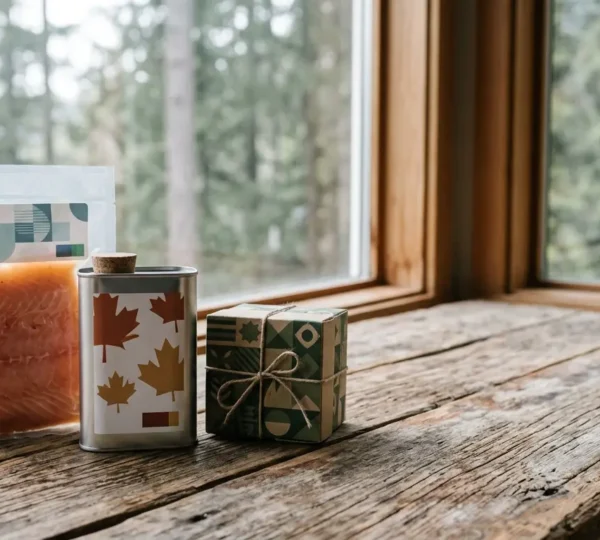
Smoked Salmon vs. Maple Syrup: A Foodie Customs Agent’s Guide to Travel-Ready Vancouver Souvenirs
The primary challenge of buying Vancouver souvenirs isn’t choosing what you like, but choosing what will legally and physically survive the journey home. Shelf-stable and commercially processed foods (like retort-pouch…
Read more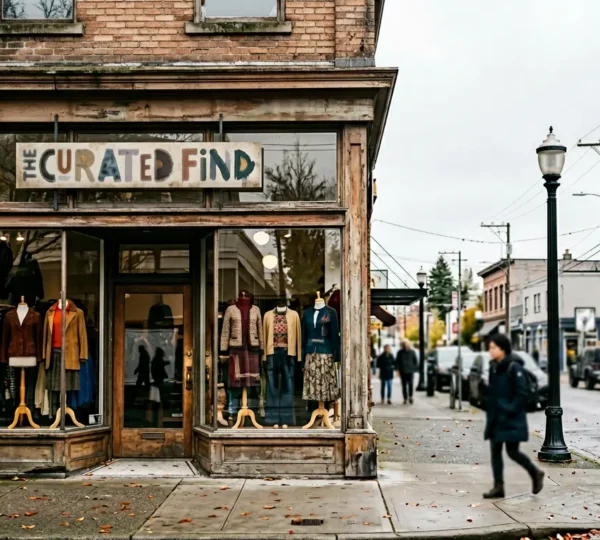
Main Street Thrift Crawl: How to Hit 5 Best Vintage Stores in 2 Hours?
In summary: Thrifting on Main Street isn’t about luck; it’s about strategy. This is a 2-hour mission plan, not a casual stroll. Understand the “Retail Ecology”: Know the difference between…
Read more
Vessi to Herschel: Which Global Brands Actually Started in Vancouver?
The most successful brands from Vancouver aren’t just selling products; they’re exporting a piece of the city’s unique cultural DNA. Technical innovation in apparel is often a direct response to…
Read more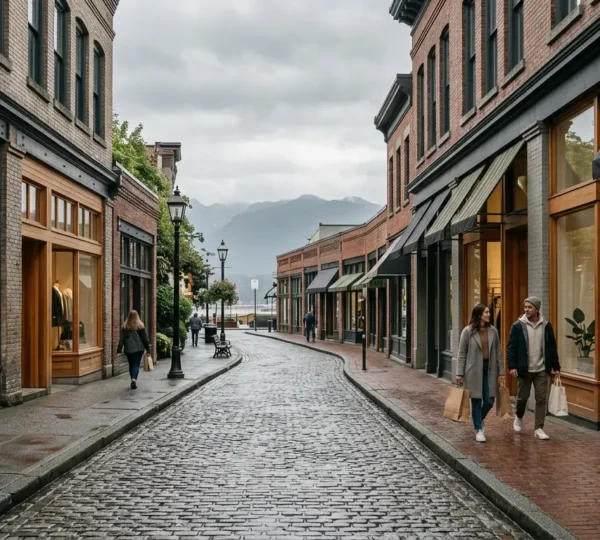
Gastown vs. South Granville: Decoding Vancouver’s Best Boutique Shopping Scene
The best boutique district in Vancouver isn’t a place, but a mindset. Gastown excels in globally-curated, exclusive fashion, while South Granville champions high-end consignment and timeless style. The real magic…
Read more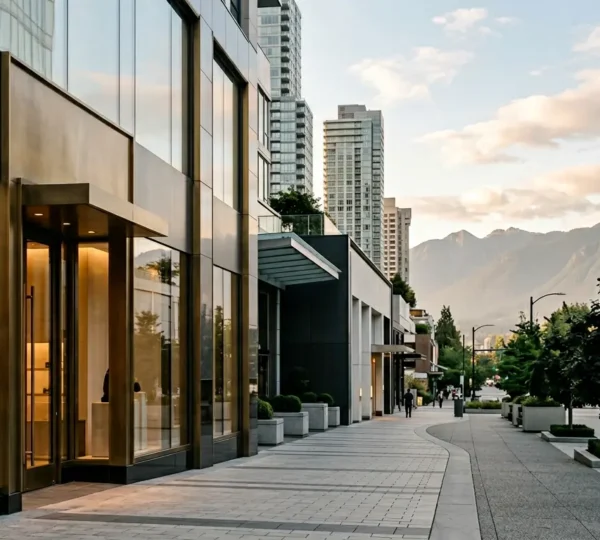
Alberni Street: Why Is This “Mini-Rodeo Drive” Vancouver’s Luxury Hub?
To conquer Vancouver’s luxury scene, one must look beyond the price tag and master the operational intelligence of the city’s elite retail landscape. The strong USD offers an advantage, but…
Read more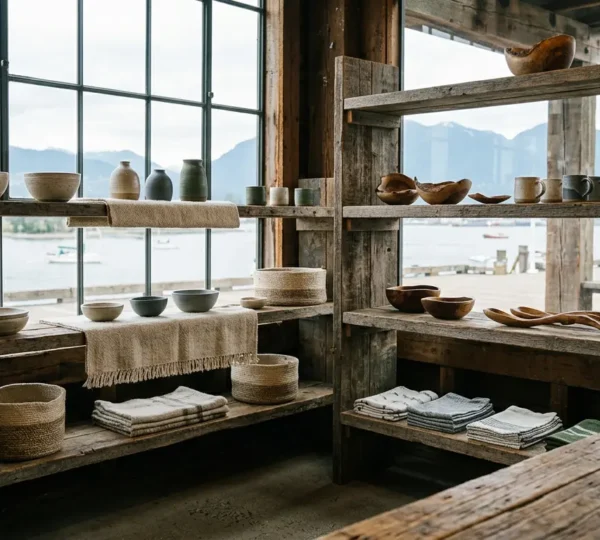
Granville Island Market: How to Distinguish Local Artisans from Resellers?
Contrary to popular belief, the best local crafts on Granville Island aren’t always in the main Public Market building. Authenticity is revealed through an artisan’s story, materials, and the subtle…
Read more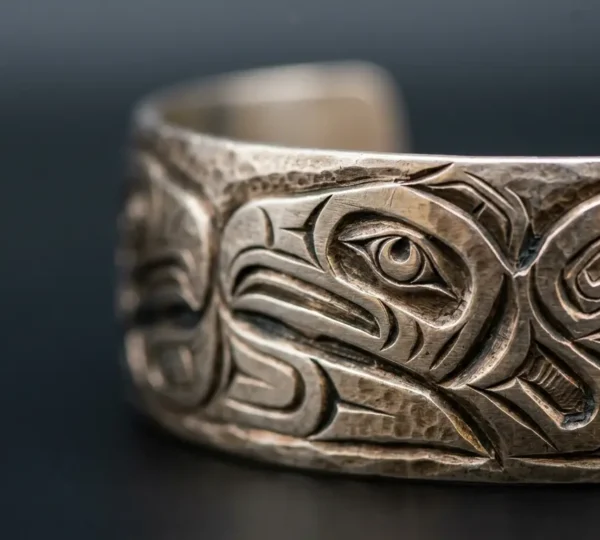
Buying First Nations Silver Jewelry: An Appraiser’s Guide to Identifying Lasting Value
Buying authentic First Nations silver jewelry is about more than a signature; it’s about verifying its material, technique, and cultural story. True value resides in hand-carved work, meticulously crafted by…
Read more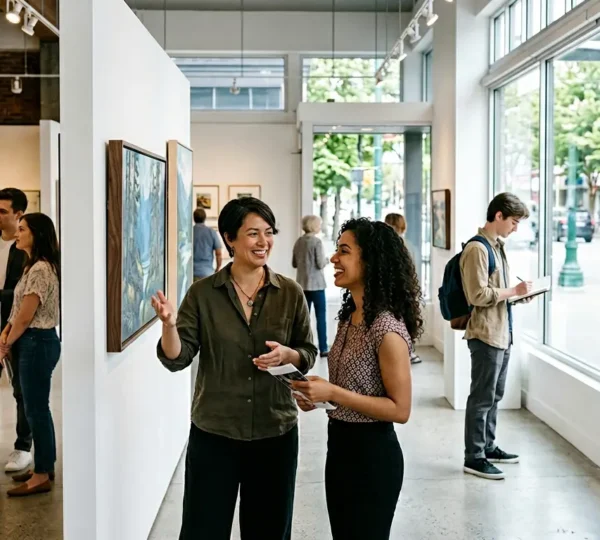
Is Art in South Granville Galleries Reserved Only for Millionaires?
Contrary to popular belief, you don’t need a millionaire’s budget to buy meaningful art in South Granville; you just need a collector’s mindset. The district offers multiple “informed entry-points” like…
Read more