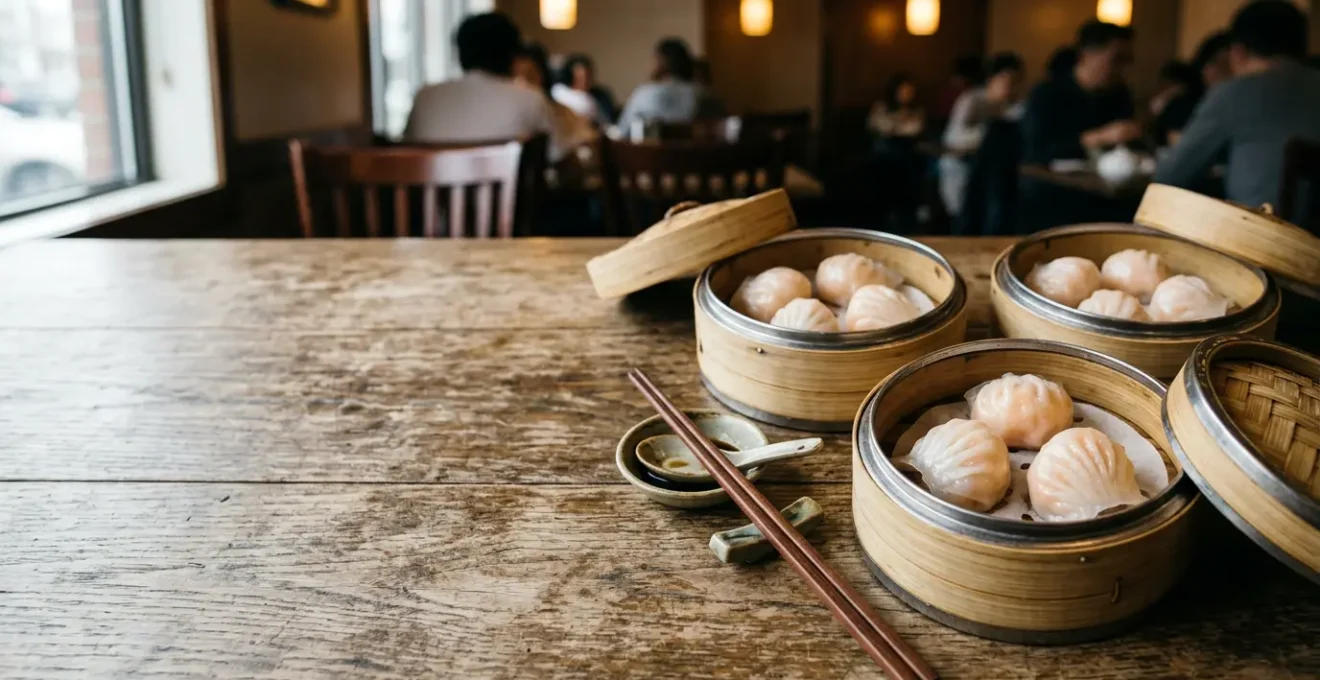
A successful Richmond food tour isn’t a checklist; it’s a battle plan for maximizing flavour and fun for your entire group.
- Focus on “flavour pacing” by mixing heavy dishes like dim sum with lighter options like ramen to avoid palate fatigue.
- Use the Canada Line as your strategic transport, creating a car-free itinerary centered around key stations like Aberdeen and Lansdowne.
Recommendation: Instead of just chasing dumplings, plan your afternoon around a variety of experiences—dim sum, ramen, and izakaya—to truly capture the taste of North America’s best Asian food city.
So, you and your hungry friends have heard the legends. Whispers of a “Dumpling Trail” in Richmond, a mythical path paved with pillowy har gow, soupy xiao long bao, and crispy-bottomed potstickers. The typical advice is to grab a map and start ticking off restaurants. But this approach often leads to “dumpling fatigue,” a full stomach after just two stops, and the logistical nightmare of navigating traffic and parking between strip malls. It’s a rookie mistake.
A truly epic food tour requires more than just a list of addresses. It demands a plan, a strategy. The real secret to conquering Richmond’s culinary landscape is not just about *what* to eat, but *how* to eat. It’s about mastering the art of strategic gluttony—balancing flavours, textures, and atmospheres to create a multi-stop feast that leaves your group satisfied, not overwhelmed. Forget the random checklist; you need a playbook.
This guide will provide that playbook. We’ll move beyond the simple Dumpling Trail to design a comprehensive, car-free assault on Richmond’s best Asian food. We’ll cover how to order dim sum like a seasoned local, choose the perfect ramen for a gloomy Vancouver day, find the right izakaya vibe for your crew, and navigate the entire adventure using only the Canada Line. Prepare to eat your way through Richmond, the right way.
This article provides a complete strategic framework for your culinary adventure. From ordering tactics to transportation logistics, the following sections break down everything you need to know to plan the perfect group food tour.
Summary: A Strategic Guide to Conquering Richmond’s Food Scene
- The Cart vs The Menu: How to Order Dim Sum Like a Local?
- Tonkotsu or Shio: Which Ramen Broth Is Best for a Rainy Day?
- Guu or Kingyo: Which Izakaya Has the Best Atmosphere for Groups?
- The Dipping Sauce Strategy: How to Balance the Heat of Sichuan Hot Pot?
- Kamayan Feast: Where to Eat with Your Hands in Vancouver?
- Why Is Vancouver’s Chinese Food Considered Better Than London or NY?
- Waterfront Station Confusion: Which Platform Leads to the Airport?
- Golden Village: Why Is Richmond Called the “Best Asian Food City” in North America?
The Cart vs The Menu: How to Order Dim Sum Like a Local?
The dim sum experience is the cornerstone of any Richmond food pilgrimage, but it’s also where most groups falter. Faced with a sprawling menu or the chaotic charm of rolling carts, it’s easy to over-order fried dishes and hit a food coma before you’ve even tried the classics. The key is balance. A successful dim sum meal is a symphony of steamed, fried, baked, and braised items. At modern spots like Chef Tony Seafood Restaurant, diners use tablets to order, allowing for a more calculated approach to curating your meal. In contrast, classics like Fisherman’s Terrace offer a more traditional experience.
The evolution from cart to code reflects the diverse tastes of Richmond’s diners, from old-timers seeking nostalgia to younger foodies wanting efficiency. No matter the format, the ordering strategy remains the same: build a foundation of core items first. Start with the “big four”: Har Gow (shrimp dumplings), Siu Mai (pork and shrimp dumplings), Char Siu Bao (BBQ pork buns), and Cheung Fun (rice noodle rolls). These dishes are the benchmark of any dim sum kitchen. Once you’ve established the quality, you can branch out to more adventurous fare.
For a group, the goal is variety without excess. A common mistake is ordering too much at once. Instead, order in rounds. This “flavour pacing” ensures every dish arrives hot and you can adjust your next choices based on what’s hitting the spot. This approach transforms a meal from a frantic feast into a curated tasting experience.
Your Group’s Dim Sum Blueprint: The Balanced Order
- For 2 people: Order 2 steamed dishes (e.g., har gow, siu mai), 1 fried/baked item (e.g., spring rolls), 1 rice/noodle dish (e.g., rice rolls), and 1 vegetable dish (e.g., gai lan).
- For 4 people: Double the 2-person order and add 2 specialty items like salted egg yolk buns or pan-fried turnip cake.
- For 6+ people: Apply the 2-2-1-1 ratio per pair, then add a show-stopping centerpiece like whole Peking duck or lobster sticky rice.
- Always order in rounds. Start with classics to gauge kitchen quality, then add unique items in the second round.
- At QR code restaurants like Chef Tony, use the menu filters (‘steamed,’ ‘fried’) to build your balanced order efficiently.
Tonkotsu or Shio: Which Ramen Broth Is Best for a Rainy Day?
After the delicate flavours of dim sum, a bowl of ramen offers a completely different, soul-warming experience—an essential pivot in any Vancouver food tour. On a typically grey and drizzly day, nothing satisfies like a rich, steaming broth. But not all ramen is created equal. Choosing the right broth is about matching it to the specific mood of the rain. Is it a heavy, bone-chilling downpour or a light, persistent drizzle? This is a key part of strategic gluttony: picking the right dish for the moment.
For a truly miserable, cold North Shore downpour, only a rich, fatty Tonkotsu will do. This pork-bone broth, simmered for hours until it’s opaque and creamy, is a full-body hug in a bowl. It’s a heavy-hitter designed for maximum comfort. For a lighter, more restorative feel on a damp Kitsilano afternoon, a clear Shio (salt-based) or a citrus-infused Yuzu Shio broth is the perfect antidote, cleansing the palate without weighing you down. This is flavour pacing in action.
The details in a bowl of ramen tell a story of regional traditions and chef philosophies. The following table breaks down which Vancouver ramen style is your best bet depending on the weather, helping you make the perfect choice to warm your soul.
| Rainy Day Mood | Recommended Broth | Signature Restaurant | Why It Works |
|---|---|---|---|
| The North Shore Downpour (heavy, cold rain) | Rich Tonkotsu | Kintaro Ramen (788 Denman St) | Heavy, pork bone-based broth simmered for 12+ hours provides maximum warmth and comfort |
| The Kitsilano Drizzle (light, persistent rain) | Yuzu Shio | Maruhachi Ra-men (780 Bidwell St) | Light chicken-based tori paitan broth with citrus notes feels restorative without being heavy |
| The Commercial Drive Gloom (grey, damp afternoon) | Spicy Miso | Ramen Danbo (multiple locations) | Fukuoka-style miso with customizable spice level offers soul-warming heat and umami depth |
| The Downtown Chill (cold, windy evening) | Black Garlic Tonkotsu | The Ramen Butcher (223 E Georgia St) | Smoky black garlic oil adds complexity and richness to traditional pork broth |
Guu or Kingyo: Which Izakaya Has the Best Atmosphere for Groups?
As day turns to evening, the energy of your food tour shifts. This is the time for an izakaya—a Japanese drinking establishment serving small, shareable plates. It’s the perfect setting for a group to debrief the day’s culinary conquests. But like ramen, the “best” izakaya depends entirely on your group’s desired atmosphere. Are you a loud, energetic crew looking for a party, or a more refined group celebrating a special occasion? This is atmosphere pairing at its finest.
For sheer, unadulterated energy, nothing beats the original. As their own site proclaims, Guu is known as the first Izakaya in Vancouver, and its locations, like Guu with Garlic, are famous for a reason. The moment you walk in, you’re hit with a booming “Irasshaimase!” (Welcome!) from the entire staff. The vibe is loud, the tables are communal, and the small plates come out at a rapid-fire pace. It’s the ideal spot for a rowdy reunion.
Guu is known as the first Izakaya (Japanese tapas) establishment in Vancouver, offering the most authentic real izakaya experience to Vancouver locals.
– Guu Izakaya, Official Guu Izakaya Restaurant Group Website
On the other hand, if your group seeks a more sophisticated and intimate experience, Kingyo is the answer. With its authentic decor, including a beautiful kirizuma-style roof and warm lighting, the atmosphere is more composed. The menu reflects this, focusing on elaborate centerpiece dishes perfect for sharing, like stone-grilled Kobe beef. For a large, boisterous group, Zakkushi‘s focus on endless varieties of yakitori skewers and long communal tables makes it a top contender.
| Izakaya | Best For Group Type | Atmosphere Score | Menu Style | Typical Wait Time (Fri/Sat) | Seating Options |
|---|---|---|---|---|---|
| Guu with Garlic | Loud, energetic reunions | High energy, communal vibe with signature ‘Irasshaimase!’ shouts | Rapid-fire small plates (20+ tapas items) | 45-60 min | Communal tables, bar seating |
| Kingyo | Special occasions, refined groups | Authentic décor with kirizuma roof, warm lighting | Elaborate centerpiece dishes (Stone-Grilled Kobe Beef, Tan-Tan Noodles) | 30-45 min with reservation | Traditional tatami rooms (private), regular tables |
| Raisu (2nd Gen) | Sophisticated group dinners | Upscale-casual, modern interior | Contemporary fusion tapas | 20-30 min | Mix of booth and table seating |
| Zakkushi (2nd Gen) | Large, rowdy groups (8+) | Lively, yakitori-focused atmosphere | Skewer-centric menu (40+ varieties) | 60+ min peak times | Long communal tables |
The Dipping Sauce Strategy: How to Balance the Heat of Sichuan Hot Pot?
For the ultimate communal dining experience, nothing compares to hot pot. A bubbling cauldron of broth sits at the center of the table, and your group becomes a team of chefs, cooking thinly sliced meats, vegetables, and noodles. The most thrilling version is the Sichuan-style ‘mala’ hot pot, known for its numbing, spicy kick. But the true art of hot pot doesn’t happen in the pot—it happens in the small personal dipping bowl you create at the sauce bar.
This is your chance to become a sauce alchemist. The sauce bar at restaurants like Haidilao or The Dolar Shop can be intimidating, with dozens of options. The pro move is to have a strategy. Your sauce has one primary job: to complement the broth and balance the heat. If you’re braving the fiery mala broth, you need a sauce that can cool your palate, not add more fire. A base of sesame oil and minced garlic is classic for coating ingredients cooked in spicy broth, providing a buffer against the heat.
A great tactic is the Yin-Yang Broth Strategy: order a split pot with a mild, savoury broth on one side and the spicy mala on the other. Cook delicate items like fish balls and tofu in the mild side to absorb its flavour, and use the spicy side for quick dunks of fatty meats and hearty vegetables. Your custom dipping sauce is the bridge that unifies these two worlds. Building the perfect sauce is a personal journey, but a few proven recipes can set you on the path to hot pot mastery.
Your Hot Pot Sauce Action Plan
- The Classic Umami Bomb: Start with 2 tbsp sesame oil, 1 tbsp minced garlic, 1 tbsp soy sauce, and 1 tsp satay sauce. Finish with cilantro, green onions, and sesame seeds. Perfect for beef and lamb.
- The Spicy Heat-Cutter: For true spice lovers, combine 2 tbsp chili oil, 1 tbsp Chinese black vinegar, 1 tsp toasted sesame oil, fresh chilis, and a pinch of sugar to balance.
- The Refreshing Palate-Cooler: Mix 2 tbsp rice vinegar, 1 tbsp soy sauce, 1 tsp sesame oil, and a generous amount of fresh cilantro and green onions. It’s ideal for providing relief between spicy bites.
- Master the Formula: Think in layers: a Base (Sesame Oil/Paste), an Umami Layer (XO/Oyster Sauce), an Aromatic (Garlic/Cilantro), and Texture (Peanuts/Fried Shallots).
- Employ the Yin-Yang Strategy: Use a split pot. Cook delicate items in the mild broth and quick-cooking meats in the spicy side to manage flavour and heat.
Kamayan Feast: Where to Eat with Your Hands in Vancouver?
While Richmond is the epicenter of Chinese cuisine, Metro Vancouver’s culinary depth extends far beyond. The region’s vibrant Asian food scene is a mosaic of cultures. In fact, a deep dive into the area reveals a stunning variety, with over 16 different cuisines represented in specialized food tours alone. For a truly unique and communal group experience, it’s worth venturing into the world of Filipino food to try a Kamayan feast.
A Kamayan, meaning “by hand” in Tagalog, is a traditional Filipino feast where a mountain of food is laid out on banana leaves covering the table, and everyone eats together with their hands. There are no plates or utensils. It’s a joyful, slightly messy, and profoundly communal experience that fosters a different kind of connection than sitting around a table with individual plates. It’s the ultimate expression of shared dining.
The feast typically includes a base of garlic fried rice topped with an array of grilled meats (like Lechon Kawali or crispy pork belly), whole fried fish, prawns, sausages, and fresh vegetables like okra and eggplant. In Vancouver, restaurants like Kulinarya Filipino Eatery and Plato Filipino are renowned for offering this incredible experience for groups. It’s an unforgettable culinary adventure that engages all the senses and provides a fantastic contrast to the more structured meals of dim sum or ramen. Booking in advance is almost always required, so be sure to plan ahead for this one-of-a-kind meal.
Why Is Vancouver’s Chinese Food Considered Better Than London or NY?
It’s a bold claim, but one you’ll hear often from food critics and locals alike: Vancouver, and specifically Richmond, has the best Chinese food in the world outside of Asia. It consistently outranks global hubs like New York, London, and San Francisco. But why? The answer lies in a powerful combination of three key factors: immigration, ingredients, and intense competition.
First, waves of immigration from Hong Kong in the 1980s and 90s brought not only a population with a deep-rooted passion for food but also highly skilled, classically trained chefs and significant investment capital. These weren’t just home cooks; they were masters of their craft who opened restaurants that had to meet the incredibly high standards of a discerning clientele. Second, and perhaps most crucially, is Vancouver’s access to what can only be called “The Ocean’s Pantry.” The city’s proximity to pristine Pacific waters provides an unparalleled supply of fresh, world-class seafood like Dungeness crab, geoduck, and spot prawns—ingredients that chefs in landlocked cities can only dream of.
This ingredient advantage is on full display at the city’s top Chinese seafood restaurants, where live tanks showcase the day’s catch. This allows for a purity of flavour that simply cannot be replicated with frozen or flown-in products. Finally, the sheer density of restaurants in Richmond creates a hyper-competitive environment. With hundreds of establishments vying for the same customers, only the best survive. This relentless pressure forces constant innovation and maintains an exceptionally high bar for quality across the board. It’s this trifecta that makes the claim less of a boast and more of a delicious reality.
Waterfront Station Confusion: Which Platform Leads to the Airport?
The secret weapon for your strategic food tour is the Canada Line. This rapid transit line is your artery, connecting downtown Vancouver directly to the heart of Richmond’s food scene and making a multi-stop, car-free crawl not just possible, but easy. However, navigating it for the first time can be tricky, especially at Waterfront Station and the critical split at Bridgeport.
Starting from downtown Vancouver’s Waterfront Station, the key is to find the platform marked ‘Canada Line to Richmond-Brighouse & YVR-Airport.’ Here’s the good news: any southbound train from this platform will take you toward Richmond. You don’t need to worry about which one to board initially. Your first strategic stop for an authentic experience is Aberdeen Station. This stop puts you within a short walk of two legendary destinations: the hawker-style food court at Parker Place and the more upscale Aberdeen Centre, home to Fisherman’s Terrace dim sum.
The most important part of your journey is understanding the “Bridgeport Split.” After leaving Aberdeen, all northbound and southbound trains stop at Bridgeport Station. This is where the line divides.
- To continue your food tour: Stay on or transfer to a train heading to Richmond-Brighouse. This line continues deeper into Richmond, stopping at Lansdowne and the final Richmond-Brighouse station, both surrounded by clusters of restaurants.
- To get to the airport: You must be on a train marked YVR-Airport.
For the return journey, it’s simple: any northbound Canada Line train from any station in Richmond will take you directly back to downtown Vancouver. Mastering this simple route is the key to unlocking a stress-free day of gluttony.
Key Takeaways
- Strategic Gluttony: Plan your food tour by “flavour pacing”—mixing heavy and light dishes—and “atmosphere pairing”—matching restaurant vibes to your group’s mood.
- The Car-Free Advantage: Use the Canada Line as your primary transport, focusing on “culinary triangulation” around key stations like Aberdeen to hit multiple spots on foot.
- Beyond Dumplings: A truly great Richmond food crawl incorporates a variety of experiences, from dim sum and ramen to izakaya, to avoid palate fatigue and capture the full scope of the city’s offerings.
Golden Village: Why Is Richmond Called the “Best Asian Food City” in North America?
Richmond’s reputation as the “best Asian food city” isn’t just built on a handful of high-end restaurants. It’s earned in the trenches—in the bustling, authentic, and sometimes chaotic food courts of its Asian malls. This area, often called the “Golden Village,” is where the city’s culinary heart truly beats. It’s a level of immersion that goes far beyond a simple meal. As Tourism Richmond proudly states, Richmond serves up the best Asian dining outside Asia, and it’s in places like Parker Place that you understand why.
Case Study: Parker Place Food Court – The Secret Heart of Richmond’s Food Scene
Parker Place is not a polished, modern food court; it’s a deeply authentic cultural experience. Described as one of Richmond’s most genuine Asian-style malls, its hawker-style food court operates on a communal table-sharing system where strangers will wave you over to an empty seat during the lunch rush. It’s home to legendary stalls like Joy’s Taiwanese Food, serving their signature velvet-soft chili wontons and warm hoisin beef pancake rolls for years. The ecosystem is complete with a steamy-windowed barbecue meat shop, a wet market, and a Chinese apothecary. This is what sets Richmond apart: it’s not just about restaurants, but about complete cultural food experiences that rival those in Asia itself.
This depth is staggering. The city offers an incredible diversity of regional Chinese cuisines, from Shanghainese to Sichuan and Cantonese, but its offerings don’t stop there. The culinary landscape is a rich tapestry woven with threads from Japan, Korea, Vietnam, Malaysia, the Philippines, and beyond. It’s this density and authenticity, from the most refined seafood palace to the most humble food court stall, that cements Richmond’s status. It’s a city where you can eat for a month and never have the same thing twice. For any group of food lovers, it’s nothing short of paradise.
You now have the playbook. The next step is to assemble your hungry crew, pick a date, and put this strategic guide to the test. Start planning your epic, car-free Richmond food crawl today.